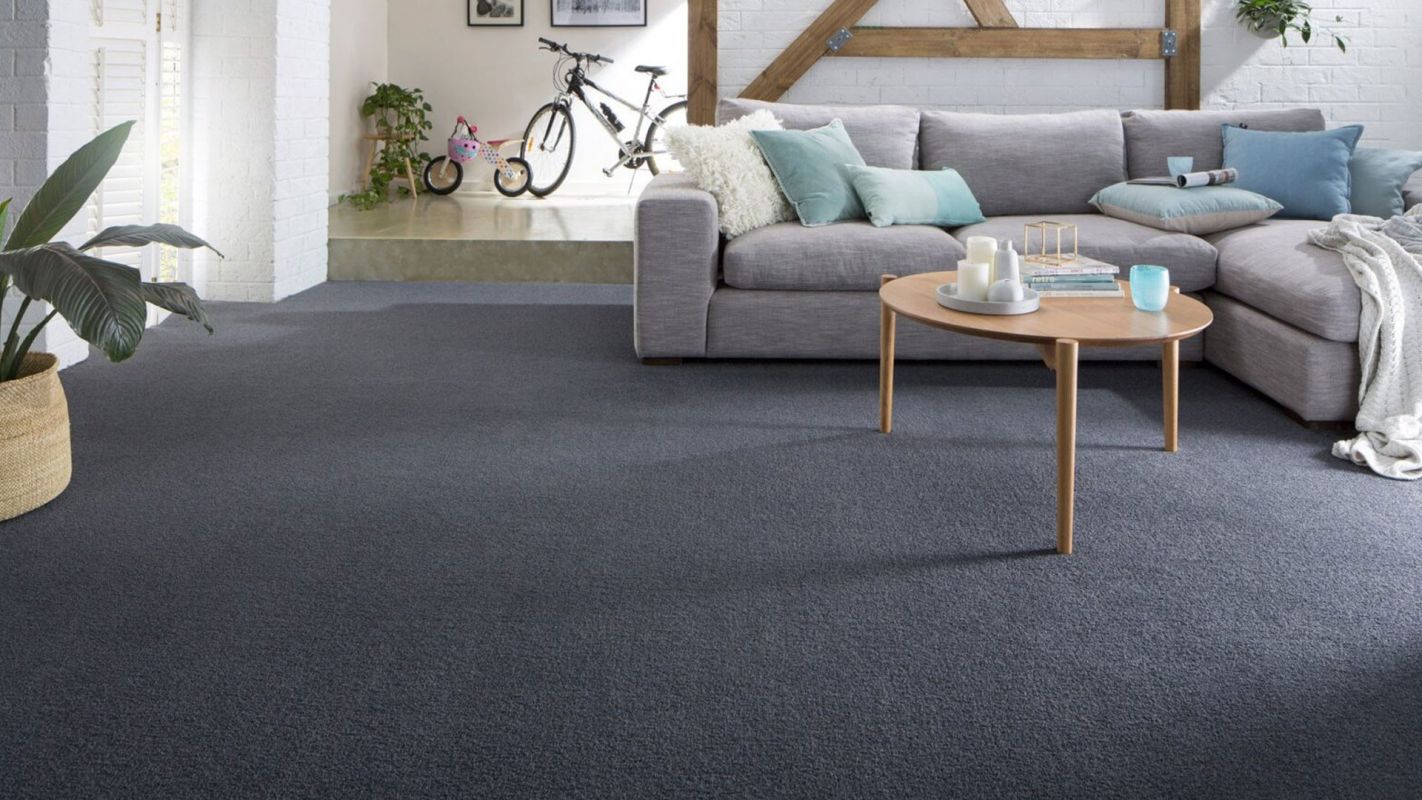
Nylon or Polyester, Wool blend, solution-dyed, batting, long pile, cut pile, textured pile, or cut & loop pile. These are all things you probably don’t think about regularly- but we do. We dream of such things. Come down to Desert Bloom Floors and we can help you understand what’s best for you and make sure we get you what you want within your budget.
Carpet Location
Where do you plan on putting the carpet? Do you need something super durable because of high traffic? How much use does the room get? Is it going in a formal dining room, play room or stairs? These are some of questions we’ll help you answer before purchase.
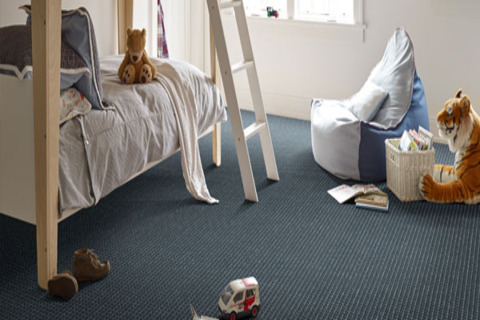
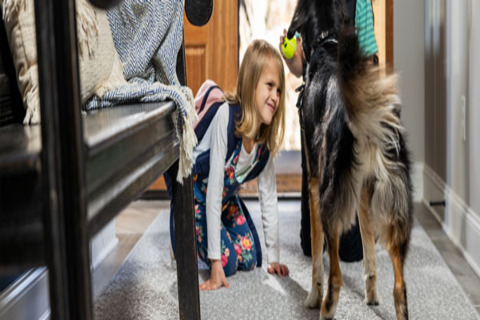
Do you have kids? What are their ages? Do they tend to bring the outside world inside with them? Do you have pets? All of this needs to be taken into consideration when choosing your carpet. We’ll guide you through the process and help you the best option for your home.
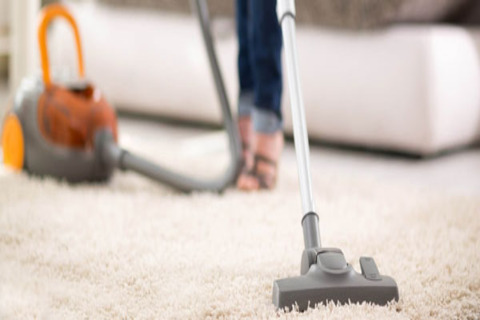
Can having carpet floors help with allergies? It’s believed that carpeting can help by trapping allergens and dust. But the catch is that you need to regularly vacuum to get the benefit. Polyester vs. Nylon, the type of pile, and amount of traffic can all have a big effect.
Most residential carpet lasts between 10 and 15 years, depending on the quality of the carpet, the amount of foot traffic, and how well it’s maintained. Premium carpets made from high-quality fibers can last even longer, while carpet in busy areas or homes with pets and children may show wear sooner. Regular vacuuming, prompt cleanup of spills, and annual professional cleaning can significantly extend the life of your carpet. Choosing the right carpet and padding for your lifestyle is one of the best ways to maximize its appearance and longevity.
For pet-friendly homes, solution-dyed polyester has become a popular choice because of its excellent stain resistance, easy maintenance, and affordability. While nylon has a long-standing reputation for durability and cleanability, many homeowners and manufacturers have shifted toward solution-dyed fibers because of advances in technology and improved performance at a lower cost. Choosing a low- to medium-pile carpet helps make pet hair easier to remove. Pairing it with a moisture-barrier pad adds protection by helping prevent accidents from reaching the subfloor, reducing odors, stains, and long-term damage.
Yes, some solution-dyed polyester carpets can be cleaned with a 50/50 bleach-and-water solution to remove difficult stains. Because the color is added throughout the fibers rather than applied only to the surface, properly diluted bleach should not affect the carpet’s color. These carpets often include excellent stain-resistance warranties, with some offering lifetime coverage. Always confirm the carpet manufacturer’s cleaning instructions and warranty requirements before applying bleach.
For most homes, 1/2-inch rebond carpet padding is the best overall choice. It provides an excellent balance of comfort, support, durability, and value, helping your carpet look and perform better for years. In homes with pets or young children, upgrading to a 1/2-inch rebond pad with a built-in moisture barrier is highly recommended. The moisture barrier helps prevent spills and pet accidents from soaking into the subfloor, reducing the risk of odors, stains, and long-term damage. Thinner padding may not perform as well and can give your carpet a cheaper feel.
Carpet twist rate refers to how many times the individual carpet fibers are twisted together within a one-inch length of yarn. A higher twist rate creates a tighter, more resilient yarn that helps the carpet resist crushing, matting, and visible traffic patterns. For residential carpet, a twist rate of five to seven turns per inch is considered very good, while luxury cut-pile carpets often feature more than seven turns per inch. Lower-twist carpets may feel soft initially but tend to untwist and wear faster. Twist rate is especially important in plush and frieze carpets, where longer fibers need additional strength to maintain their appearance over time.