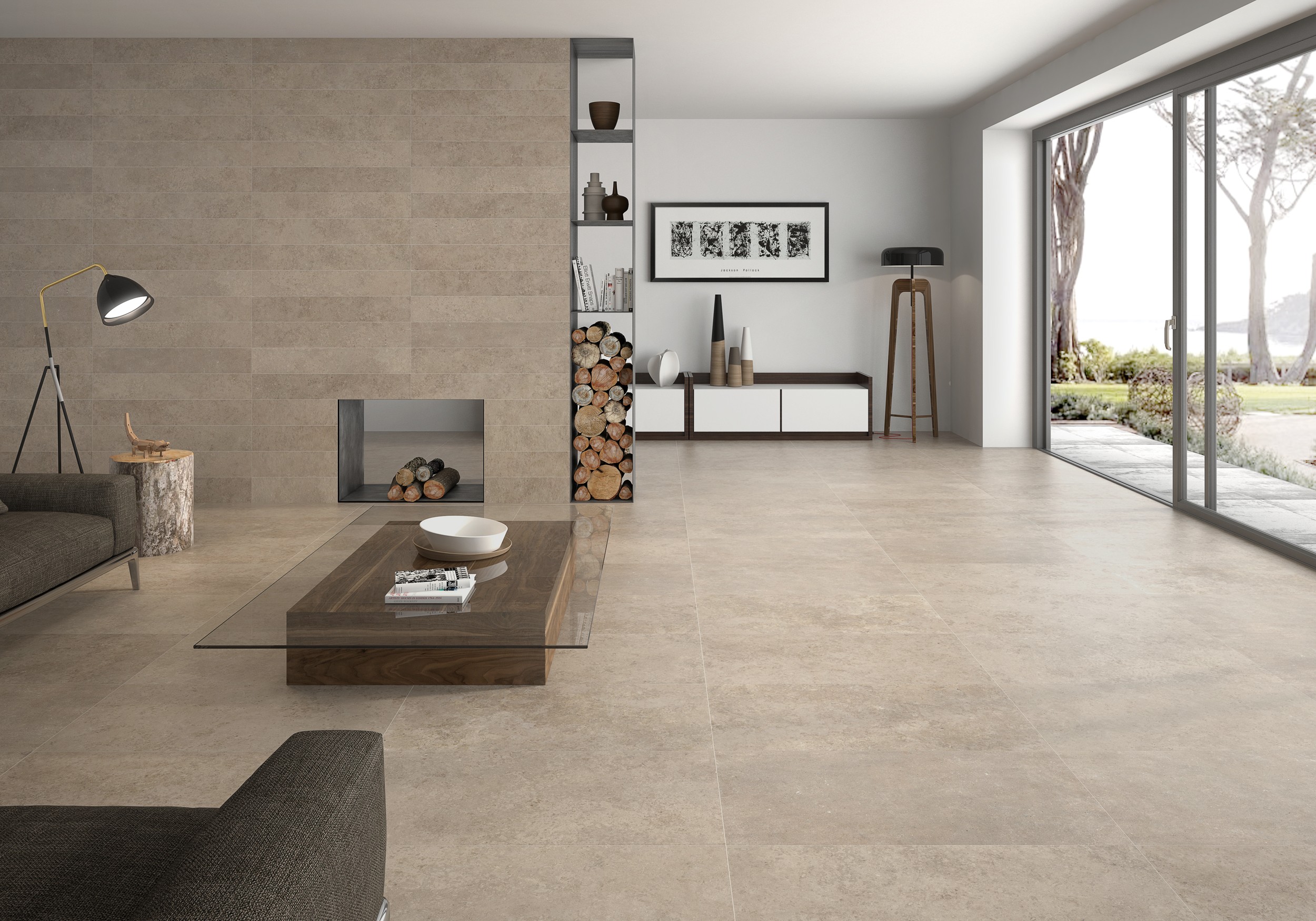
Porcelain and ceramic floors provide a style to suit every taste. Whether you’re looking for a glazed, polished, or matte finish, porcelain or ceramic, Desert Bloom is the answer. We carry 20+ selections of affordable options for what you’re looking to cover. Let us help you find the perfect solution to fit your style and lifestyle.
Value Vs. Initial Cost
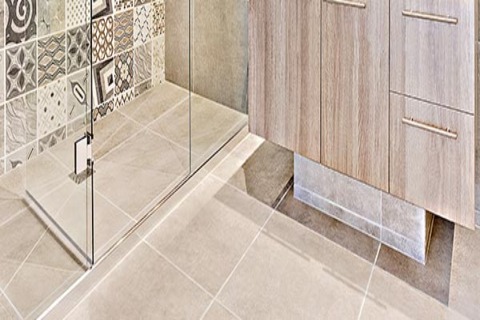
The upfront cost of tile or natural stone can often seem steep when compared to other flooring options. However, when you consider that tile can last forever, the difference in cost often makes more sense.

Air Quality & Hypoallergenic
Porcelain & Ceramic tile offer numerous benefits, including health advantages, long-term cost savings, and a wide variety of style and color options. Unlike carpet, which can trap allergens, the hard surfaces of tile are easy to clean and require minimal maintenance. Additionally, these materials are free of chemicals used in the production of carpeting, making them a healthier choice for those with allergies or asthma.
Stone & Tile Flooring Options
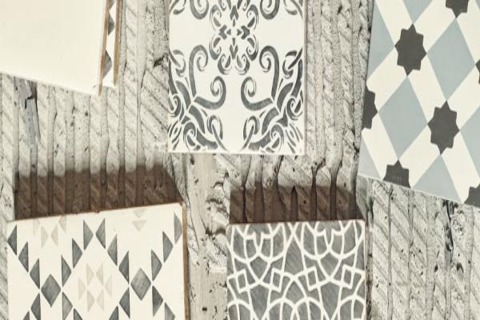
With a wide variety of sizes, colors, styles, and textures, our tile selection offers many options to suit your taste. We stock 21 different colors and can often provide next-day installation. Our team will guide you through the process to ensure you love your new flooring for years to come.
Tile Flooring FAQs
Porcelain and ceramic tile are both excellent flooring options, but porcelain is generally the better choice for most floors. Made from finer clay and fired at higher temperatures, porcelain is denser, less porous, and more resistant to water, wear, and chipping. It’s ideal for kitchens, bathrooms, high-traffic areas, and outdoor applications. Ceramic tile is typically more affordable and easier to cut, making it a great option for walls, backsplashes, and lower-traffic spaces. The best choice depends on your budget, the location, and the durability your project requires.
Tile is especially popular in Arizona because it performs exceptionally well in the desert climate. It stays cooler underfoot during the hot summer months, is highly resistant to heat, moisture, and heavy foot traffic, and requires very little maintenance. Tile also doesn’t fade from sun exposure like some flooring materials and is an excellent choice for homes with pets or allergies. With a wide variety of colors, sizes, and styles—including realistic wood and stone looks—tile offers both long-lasting durability and timeless appeal for Arizona homeowners.
Today’s most popular tile styles emphasize clean lines, natural textures, and timeless design. Large-format porcelain tile continues to be a favorite for floors because it creates a spacious look with fewer grout lines. Wood-look tile remains popular for homeowners who want the appearance of hardwood with the durability of porcelain. Natural stone looks, such as marble, limestone, and travertine, are also in high demand, along with warm earth tones and soft neutral colors. Choosing a timeless style over a trendy one helps ensure your flooring remains attractive and adds value for years to come.
A hollow-sounding tile may indicate that the mortar did not fully bond the tile to the floor. If the hollow sound is accompanied by loose tiles, cracked grout, movement, or cracking, it could indicate poor mortar coverage, improper installation, or a bond failure. Large-format tiles can also sound more hollow than smaller tiles. If you’re concerned, we can provide a professional inspection at no cost to you and determine whether the tile is performing normally or if repairs are needed before the problem worsens.
Cracked tile is usually a symptom of movement beneath the tile, not a defect in the tile itself. Common causes include foundation settling, subfloor movement, improper installation, inadequate mortar coverage, missing movement joints, or heavy impacts from dropped objects. In some cases, only the tile is damaged, while in others the underlying substrate may also need repair. We can provide a professional inspection at no cost, identify the root cause, and determine whether a simple tile replacement or a more extensive repair is needed to prevent future cracking.
Arizona’s soil and climate can cause concrete slabs to move more than many homeowners realize. Much of the Valley is built on expansive clay soils that swell when they absorb moisture and shrink as they dry. Combined with extreme temperature swings, foundation settling, tree roots, and occasional heavy monsoon rains, these natural movements can create stress within the concrete slab. While most slab movement is minor and expected, it can lead to cracked tile, cracked grout, or hollow-sounding tiles if the flooring isn’t installed with proper preparation and movement joints.